


Britain’s coastline offers everything from hidden coves to family-friendly beaches, and one of the best ways to experience it is by leaving the car at home. Train travel is not only relaxing and scenic, it’s also one of the most sustainable ways to reach the seaside.
With platforms like Split My Fare, you can plan affordable rail journeys across the UK while reducing your environmental footprint. Whether you’re chasing waves in Cornwall, strolling the Norfolk dunes, or exploring Yorkshire’s fishing villages, taking the train makes it easy to enjoy coastal adventures responsibly.
Here’s how, and where, to plan your next eco-friendly beach escape by rail.
Why Travel Sustainably to the Coast
The UK’s coastlines are under increasing pressure from pollution, congestion, and climate change. Each summer, popular seaside towns see a surge of car traffic that clogs local roads, fills car parks, and contributes to emissions. Travelling by train is one of the simplest ways to cut your personal carbon footprint while still supporting coastal tourism.
Beyond the environmental impact, train travel also helps preserve the tranquillity and character of small seaside towns. Arriving by rail keeps beaches quieter, makes your journey less stressful, and gives you a front-row view of some of Britain’s most stunning landscapes.
In many cases, coastal rail routes, like those along the Devon, Kent, or Scottish shores, are attractions in themselves. The rhythmic sound of the train hugging the coastline can be just as memorable as the destination.
Best Beach Destinations You Can Reach by Train
Whitstable, Kent
A short train ride from London, Whitstable combines seaside charm with creative energy. Known for its oysters, independent shops, and relaxed atmosphere, it’s a brilliant car-free day out. From the station, it’s only a 10-minute walk to the beach and harbour.
Train Time from London: 1 hour 20 minutes
Why Go by Train: Avoid parking shortages and enjoy the scenic stretch of track through the Kent countryside.
Scarborough, North Yorkshire
Scarborough’s twin bays and Victorian seafront have attracted visitors for over a century. The train from York or Leeds delivers you straight to the centre, just minutes from the beach.
Train Time from York: 50 minutes
Why Go by Train: The line follows a beautiful inland route, and you’ll arrive right by the seafront without needing to navigate narrow streets or parking zones.
Dawlish, Devon
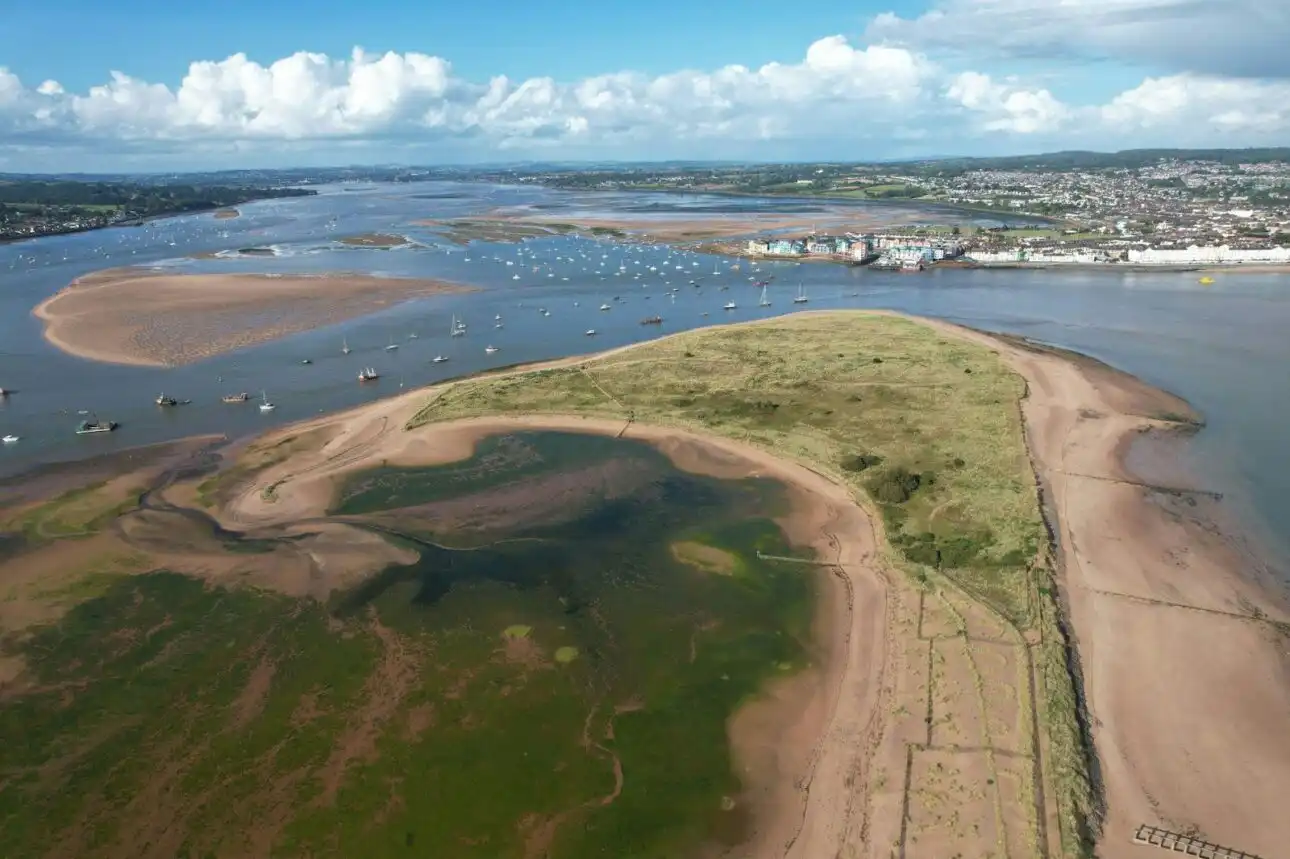
One of the UK’s most iconic coastal rail journeys runs along the sea wall between Exeter and Dawlish. As the train glides metres above the waves, you’ll get panoramic views of the Jurassic Coast, a UNESCO World Heritage Site.
Train Time from Exeter: 25 minutes
Why Go by Train: The Dawlish line is legendary for its sea views; it’s a must for anyone who loves rail travel and photography.
Tenby, Pembrokeshire
If you’re looking for pastel-hued harbour views and soft sand, Tenby in South Wales is ideal. Its train station is only a short walk from North Beach and the historic town walls.
Train Time from Cardiff: Around 3 hours
Why Go by Train: Crossing South Wales by rail gives you a relaxed view of rolling countryside before the coastal cliffs appear on the horizon.
St Ives, Cornwall
Perhaps the most famous coastal train ride of all, the branch line from St Erth to St Ives offers breathtaking sea views at every turn. It’s a short, spectacular journey that’s worth the trip alone.
Train Time from St Erth: 10 minutes
Why Go by Train: Parking in St Ives is notoriously difficult; the train is cheaper, greener, and infinitely more scenic.
How to Make the Most of Train-Based Beach Travel
- Plan Ahead and Book Smart
Trains to coastal towns can get busy during weekends and summer holidays. Use tools like Split My Fare to find the cheapest split-ticket combinations and travel off-peak where possible. - Pack Light and Smart
A beach bag, refillable water bottle, and a lightweight backpack are all you need. Travelling light makes hopping on and off trains easier, especially if you’re visiting more than one destination. - Embrace Slow Travel
Instead of rushing from place to place, make the journey part of your experience. Stop in smaller towns, walk along promenades between stations, and support local cafés or shops near the beach. - Choose Eco-Friendly Accommodation
Many seaside towns now offer B&Bs or hotels with sustainable initiatives, from plastic-free toiletries to solar panels and local produce breakfasts. Combine your green transport with a green stay. - Stay Flexible
British weather can be unpredictable, but trains give you the flexibility to adjust your plans easily. If the sun’s shining elsewhere, you can hop on a different line and chase the sunshine up or down the coast.
Sustainable Tourism in Motion
According to The Guardian, UK travellers are increasingly choosing the train over the car or plane for domestic trips, particularly to rural and coastal destinations. The shift toward “slow travel”, where the journey is as meaningful as the destination, is helping protect fragile environments and reduce overtourism in smaller communities.
For coastal towns that depend on tourism, welcoming visitors who travel by train makes a tangible difference. Fewer cars mean cleaner air, less noise, and more space for pedestrians and cyclists. It’s a small change that creates a big impact.
Why the Coast and Rail Go Hand in Hand

The British railway network was originally built to serve coastal resorts during the Victorian era, and many of those seaside connections still exist today. From Brighton’s early beachgoers to Cornwall’s cliffside lines, the train and the coast have always been intertwined.
Travelling by rail lets you see the landscape evolve: city skylines fade into farmland, then dunes, cliffs, and sea. You arrive relaxed, without the stress of parking or traffic, ready to step straight into the salty breeze.
It’s also one of the best ways to discover smaller, lesser-known spots. Many beaches, like Alnmouth in Northumberland or Lympstone in Devon, have their own small stations right near the sand, often overlooked by those driving past.
The Future of Green Coastal Travel
The UK government has set ambitious targets for reducing emissions from transport, and rail travel plays a vital role in achieving that. Electric trains, station solar panels, and local partnerships for “last-mile” bus links are already transforming how people reach the coast.
As passengers, the best thing we can do is choose greener routes and travel consciously. Whether that means taking fewer but longer trips, offsetting emissions, or simply swapping the car for the train once in a while, it all adds up.
With smart planning and platforms like Split My Fare, sustainable coastal travel isn’t just possible, it’s easy, affordable, and rewarding.
The UK’s coastline is too beautiful to rush, and travelling by train gives you the freedom to enjoy it responsibly. From Whitstable to St Ives, you can explore beaches, harbours, and cliffs without adding to the carbon footprint that threatens them.
So next time the sea calls, skip the traffic, sit back by the window, and let the rails lead you to the shore, sustainably.