


In this article, we discuss the sea temperature around the UK and what it means for those wanting to swim.
Compared to indoor heated swimming pools, which range from around 26°C to 30°C, swimmers are likely to be exposed to a much wider range of temperatures when swimming outdoors. In the UK coastal waters, this may vary from low single digits to high teens.
Seasonal Differences

The sea takes a lot longer to warm up and cool down than the air does. As a general rule, sea temperatures in the UK tend to be at their highest in late August and early September, later than the peak air temperatures.
Overall, the average sea temperature in the British Isles ranges from 6-10 °C in winter to 15-20 °C in summer, depending on region and annual weather patterns. By sea temperature, we mean surface temperature relevant to a typical swimmer, and the deeper you go, the colder it will be.
It is not just about the significant seasonal differences; local weather can also cause variations in water temperatures and in what we, as swimmers, consider an acceptable sea temperature. On a hot summer day, the outer parts of our bodies can help balance the colder water, but on a colder day, a swimmer’s body heat is lost from exposed parts of the body. Another example of local weather conditions is that offshore winds can cause deep, much colder water to replace the surface water, which has been warmed by the sun.
Regional Differences
In general, sea temperatures in the UK are colder in the north than in the south, as you would expect. However, it isn’t quite as straightforward as that. The lowest temperatures are found in the North Sea, because these areas do not benefit from the warm waters of the Gulf Stream that you get on the west coast.
As a rough illustration the UK sea water temperatures in southern England can be between 5°C in winter to 18°C in summer whilst in Scotland a few degrees lower, 4°C in winter to 13°C in summer.
Swimming Temperatures
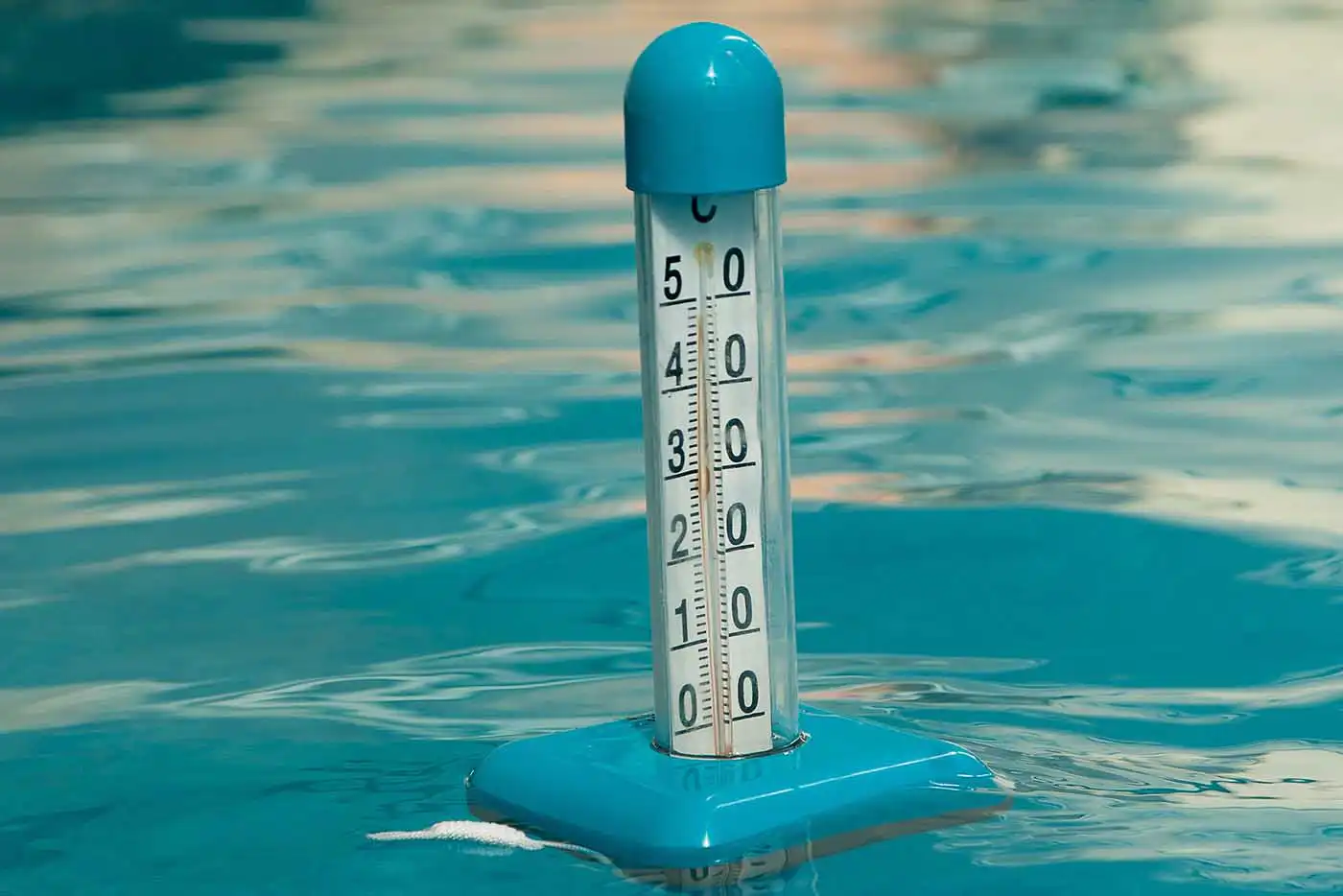
If you put five swimmers in a room and asked them about sea temperature and swimming, I am sure you would get eight opinions on what is comfortable and what is not. Swimmers have widely differing views on comfortable water temperatures, in part because people’s bodies respond differently.
For most people, the acceptable water temperature for swimming is between 16°C and 25°C, with temperatures towards the upper end of that range preferable to leisure swimmers on a day trip to the beach. Water temperatures below 16°C are generally too cold for leisure swimming and are the domain of dedicated open-water swimmers accustomed to cold water.
The key is never to go it alone and learn to trust your own experience and feelings. The table below gives a rough idea of the main water temperature bands:
| Water temperature | What the mind thinks | Description |
|---|---|---|
| 0°C to 5°C | Hurts | This is still painfully cold and recommended only for experienced swimmers for short swims. The UK sea temperature will be in this range as we move from autumn into winter. |
| 6°C to 10°C | Cold | This is still painfully cold and only recommended for the experienced swimmer for short swims. The UK sea temperature will be in this range as we move from autumn into winter. |
| 11°C to 15°C | Nearly | This is very pleasant but rarely reached in the sea around the UK, you need to be heading to the Mediterranean. If you are lucky enough to get this, then you most likely don’t need a wetsuit at these temperatures as long as the air temperature is also good. |
| 16°C to 20°C | Alright | This becomes the ideal, but it will still feel cold. With a bit of experience and practice, most people find this range comfortable. In the UK you will get the temperature of the sea hitting the lower end in the height of the summer. |
| 21°C to 25°C | Warm | In the UK, you will need to go to a swimming pool or get on a plane to locations like the Caribbean or the Middle East. |
| 26°C & above | Swimming Pool | In the UK you will need to go to a swimming pool or get on a plane to locations like the Caribbean or the Middle East. |
Table: UK Sea Water Temperatures
Safety

Don’t enter into the sea alone or until you have first tested the temperature, start by wading, and be sure you’re comfortable with the temperature before trying to swim in it! Remember, the sea water temperature in the UK increases later in the year than the air temperature, people can enter the sea on a warm spring or early summer day, without realising that the water temperature is still low even though the air is warm and the sunshine seems hot on the skin.
Cold water shock can kill – if you are going to be in, or on, the water for any length of time for example, when surfing, bodyboarding, windsurfing or standup paddleboarding, then in the UK, a wetsuit is necessary.
If you want to take up outdoor swimming seriously, we recommend joining an organised group and completing a cold-water swimming induction course. These induction courses will introduce you to the key skills you need to stay safe in cold water, including the preparation required, your body’s reactions to cold water, how to warm up, cold-water shock, and the signs of hypothermia.
Tidal Seawater Pools

The popularity of open-water swimming is growing all the time but not everyone has the confidence to swim in deep water with currents, this is where being able to swim in coastal tidal pools comes to the rescue. The way they work is that pools built into the rocks fill naturally as the tide comes in and are left to warm in the sun throughout the day. This gives a few advantages, they are calmer, and as the water is enclosed and shallower, it warms up to a higher temperature than the open sea.
If a tidal pool like Newtrain Bay in the photo above is something you are considering we do recommend checking the tide times before visiting. We believe the best time to visit is just before low tide, up to when the tide starts to come back in. At high tide, the pool becomes submerged, and it is just like swimming in the open sea.
Across the UK, we have many tidal seawater pools, and many are being saved and restored by local community swimming clubs. See our UK coastal lidos and tidal pools list.
Further Information
If you are interested in swimming and UK sea temperatures then here are some valuable resources worth visiting:
- The World Open Water Swimming Association (WOWSA) is an international association dedicated to the organisation, promotion, and recognition of open water swimming, events, and coaching.
- The predominantly UK-based Outdoor Swimming Society (OSS) provides a community to share the joy and adventure of swimming outdoors.
- If you are interested in the current sea temperature in the UK, SeaTemperature.org provides specific values for many UK locations.
- Need to understand the tide times? Then our Coast Radar beach information pages list most UK beaches and tidal pools, with up-to-date details on tides and weather.